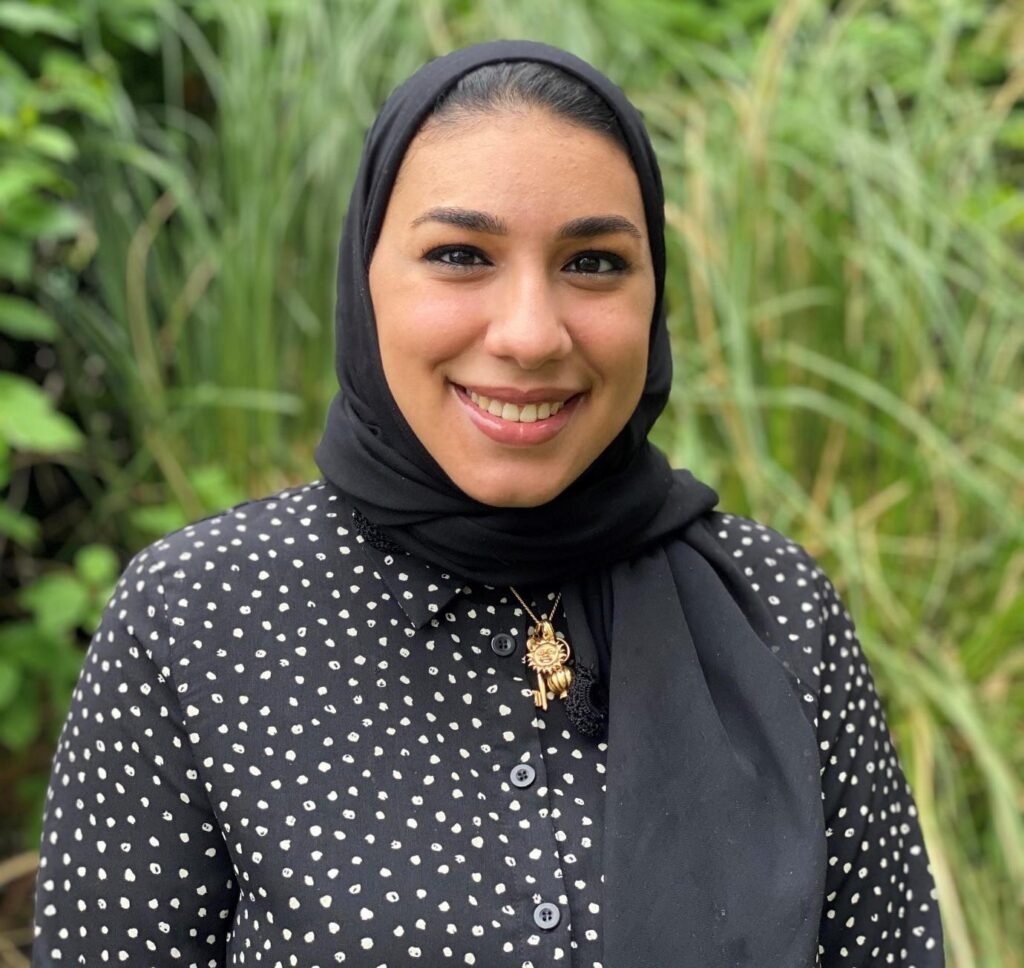
Dana Alalwan
Dana Alalwan is a research scientist at theCentre for Experimental Pathogen Host Research (CEPHR), University College Dublin. She holds a bachelor’s in biomedical health and life sciences and a master’s in clinical and diagnostics biochemistry from UCD and is currently researching inflammatory and immune responses in People with HIV for her PhD under the supervision of Prof Patrick Mallon.
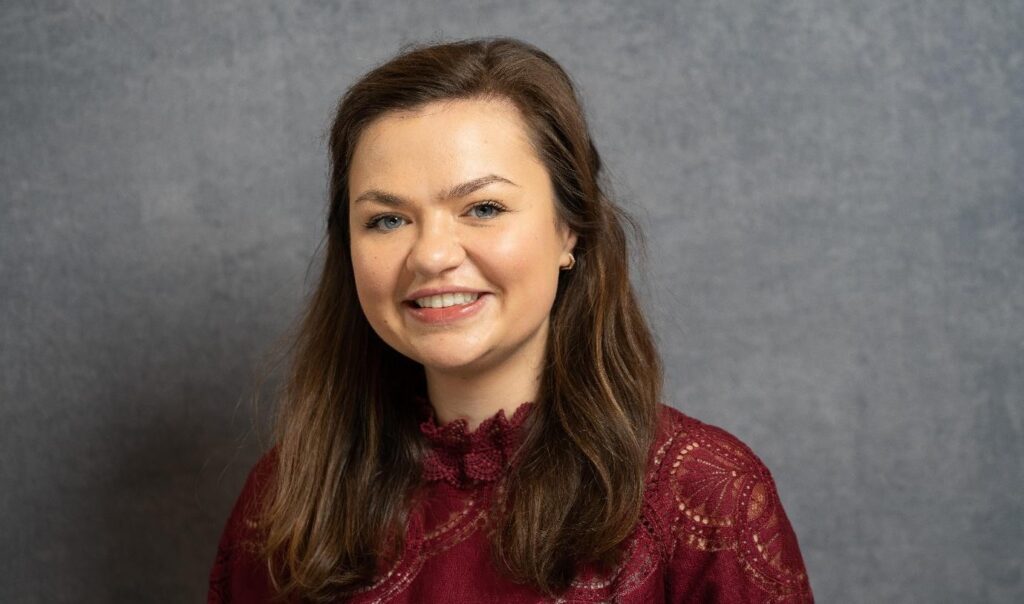
Joanne Byrne
Dr. Joanne Byrne graduated in medicine from Trinity College Dublin and is undertaking higher specialist training in infectious diseases at St Vincent’s University Hospital. Currently, she is a PhD candidate at the Centre for Experimental Pathogen Host Research (CEPHR) at University College Dublin, under the supervision of Prof Eoin Feeney, exploring the immune response to mpox infection and vaccination.
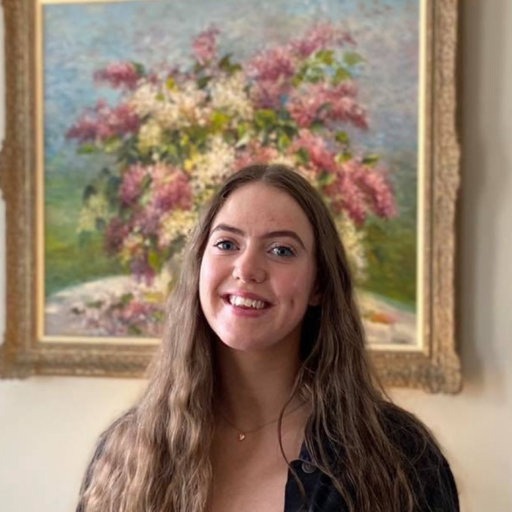
Ruth Anne Haverty
Ruth Ann Haverty is a PhD student supervised by Dr Nicola Fletcher in the School of Veterinary Medicine at University College Dublin. Her research interest is focused on studying Hepatitis E Virus (HEV) from a One Health perspective. Her research involves the application of molecular and sequencing techniques to detect and characterise HEV in human, animal, food and environmental samples, as well as exploring neurological infection pathways of the virus in models of the human nervous system.
Susanne Dam Nielsen
Susanne Dam Nielsen is Professor of infectious diseases at the Department of Infectious Diseases, University of Copenhagen Rigshospitalet. She has worked with HIV, inflammation, and immunology since 1994, and the last decade she has focused on HIV-related comorbidities, including CVD and chronic lung diseases. She leads a research team that studies HIV-related comorbidities, and she is the Principal Investigator of the Copenhagen Comorbidity in HIV (COCOMO) study. She is the co-author of more than 300 scientific publications, and she has mentored 32 PhD students. Since 2023 Susanne Dam Nielsen has been the co-chair of the European AIDS Clinical Society (EACS) HIV comorbidities guideline panel.
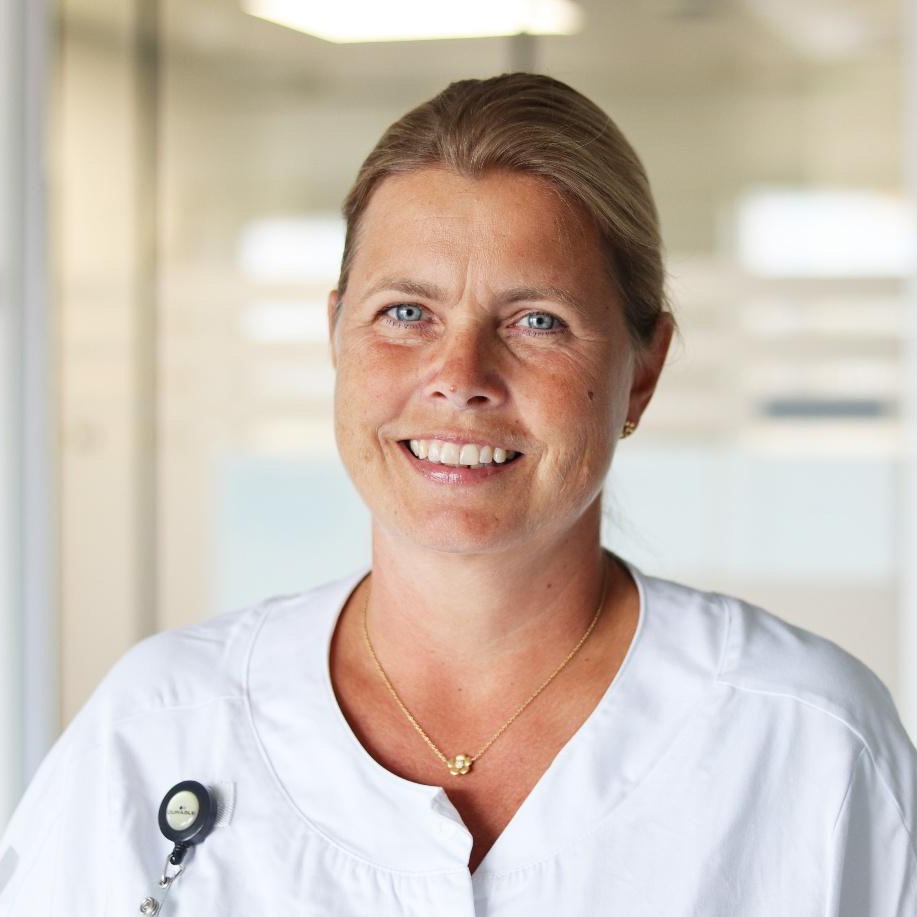

Asier Saez-Cirion
Asier Saez-Cirion is Head of Viral Reservoirs and Immune Control Unit at the Institut Pasteur in Paris, France. Dr Sáez-Cirión received his PhD degree from the University of the Basque Country in Spain and did a postdoctoral training at the FDA Center for Biologics Evaluation and Research in Bethesda. In 2003, he joined the Institut Pasteur where he is now Associate Professor and Head of the Viral Reservoirs and Immune Control Unit. Dr Sáez-Cirión is the Chair of the scientific and medical committee of Sidaction, a charity in France funding HIV research. He leads the VISCONTI study on Post-treatment HIV controllers and he is the coordinator of the ANRS RHIVIERA task force on HIV remission. His work is focused on understanding mechanisms associated with control of HIV/SIV infection without ART and developing new therapeutic interventions to achieve durable HIV remission.
Patrick Katoto
Patrick Katoto is a clinician, vaccinologist, epidemiologist, and global health expert. He holds a clinical and academic position in the Department of Internal Medicine (Division of Pulmonology and Infectious Diseases), School of Medicine and Public Health, Catholic University of Bukavu, (DRC) since 2009. Dr Katoto has worked on various projects of global health concern and produced evidence to inform decision making to address HIV, tuberculosis, vaccine uptake, non-communicable diseases, and household air pollution in resource-limited settings. His research work includes experimental work and clinical-epidemiological studies of respiratory illnesses attributable to environmental pollution (from household air pollution to mining air pollution), with a particular interest in the association of exposure to pollutants with the high triple burden of Tuberculosis, MDR-TB and HIV infection.

Thomasena O’Byrne
Thomasena O’Byrne is an experienced implementation scientist and health systems researcher based at the Malawi-Liverpool Wellcome Programme in Blantyre, where she leads the One Health and Health Systems Associate Group within the Infection Biology and Social Science Themes. Over the past 17 years, she has built a career rooted in applied qualitative research, NGO leadership, and health systems strengthening in resource-limited settings. Her research focuses on infection prevention and control (IPC), antimicrobial resistance (AMR), healthcare-associated infections, and community engagement and involvement. She is the Principal Investigator in Malawi for two major NIHR-funded programmes: Preventing Healthcare Associated Infections and Antimicrobial Resistance in Africa and tertiary healthcare facilities across Malawi, and Opt-AMR. Her broader research explores the role of interprofessional education and continuing professional development in improving IPC practices across diverse healthcare worker cadres.
Silvia Ivani
Silvia Ivani is a Research Ireland Postdoctoral Fellow at the UCD School of Philosophy. The title of her project is “Challenges in public engagement and science communication: The philosophy of fruitful interactions”.Previously, she worked as a postdoctoral researcher in the Peritia project at UCD and in the ERC project “The Social Epistemology of Argumentation” at Vrije Universiteit Amsterdam. She holds a PhD in philosophy of science from Tilburg University, The Netherlands.Her primary research interests are in philosophy of science, feminist philosophy, ethics, philosophy of technology, and social epistemology. Her research explores the interplay between epistemic, social, and moral factors in science.

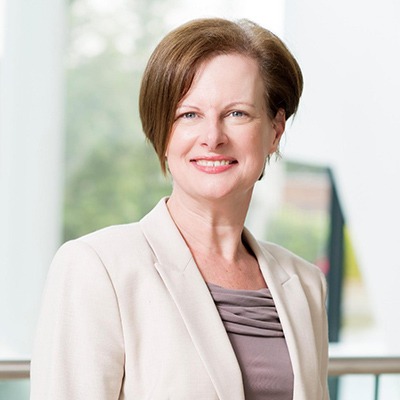
Elaine Quinn
Elaine Quinn has a B.Sc. from Trinity College Dublin and TU Dublin; a M.Sc. Science Communication from Dublin City University and Queen’s University Belfast and is a member of the Public Relations Institute of Ireland. Elaine is the Institute Manager (Communications & Education) in Conway Institute, a biomedical research centre in University College Dublin. She has more than 20 years’ experience in communications, public engagement and graduate education. Since 2020, Elaine has led creative arts approaches to communicating science culminating in exhibitions by Lorna Donlon (STEP Through the Looking Glass: Stories Told of Experimental Processes) and Vincent Devine (The Vitruvian: Uncovering the Layers of Cancer). Elaine manages the Patient Voice in Cancer Research, an initiative to build connections between cancer patients and researchers. This led to an artist-led collaboration by Lorna Donlon to build trust and connections between women in minority communities and biomedical researchers in UCD Conway Institute. This culminated in an exhibition entitled, Cut from the Same Cloth on tour in Ireland until December 2025. To attract pupils who would not typically engage with STEM, Elaine leads a structured transition year placement (CuriosiTY) programme to engage and inspire pupils who experience social, economic or educational disadvantage to pursue STEM subjects and careers. Elaine was the UCD site director (2014-2025) for the Amgen Biotech Experience Ireland programme, a science education initiative for secondary school teachers and pupils.
David Robert Grimes
David Robert Grimes is a scientist and author with a keen interest in the public understanding of science. He is the author of the critically acclaimed book “The Irrational Ape – Why we Fall for Disinformation, Conspiracy Theories and Propaganda”, with the North American title “Good Thinking – why flawed logic puts us all at risk and how critical thinking can save the world”, described as an “Unstoppable page turner” by Richard Dawkins. He writes on science and society for outlets including the Guardian, the Irish Times, Scientific American, The Atlantic, the BBC, the Financial Times, and the New York Times. He appears frequently on news media across the world to discuss topics as diverse as viral health disinformation to cancer science, and gives talks across the world on the importance of evidence in society.David was joint winner of the 2014 Nature / Sense About Science Maddox Prize for standing up for Science, and is an elected Fellow of the Committee for Skeptical Inquiry (CFI).


Ann Ndovi Piercy
Ann Ndovi Piercy holds the position of Community HIV Testing Coordinator (Mobile testing) at HIV Ireland. She is dedicated to reducing the prevalence of HIV in Ireland by implementing effective prevention strategies. Her efforts aim to contribute to a significant decrease in HIV incidence and prevalence, leading to the realization of an AIDS-free generation.Ann previously served as a protection officer at UNHCR in Malawi and is an active member of EATG.
Conrad Keating
Conrad Keating is adjunct professor and writer-in-residence at the School of Medicine, University College Dublin. Based in CEPHR, he works primarily on the modern history of medicine, with a particular interest in global health and public engagement. Keating’s research interests centre on the interconnections between the social history of medicine and societal change, with a particular focus on decisive moments in global health over the past one hundred years. His recent publications include the widely-acclaimed biography of the British epidemiologist Sir Richard Doll, Smoking Kills: The Revolutionary Life of Richard Doll (Signal Books, 2009); Great Medical Discoveries: An Oxford Story, which accompanied the exhibition ‘Great Medical Discoveries: 800 Years of Oxford Innovation’ for the Bodleian Library (2013) and Tore Godal and The Evolution of Global Health (Routledge, 2023). Keating has an on-going ‘Art of Medicine’ essay series on the history of randomised controlled trials in The Lancet. Keating’s latest project ‘Trustworthiness in Global Health’ funded by Bill&Melinda Gates Foundation, aims to advance our understanding of how to improve trustworthiness and trust-building within the field of global health.