Invited Speakers
PhD Spotlight

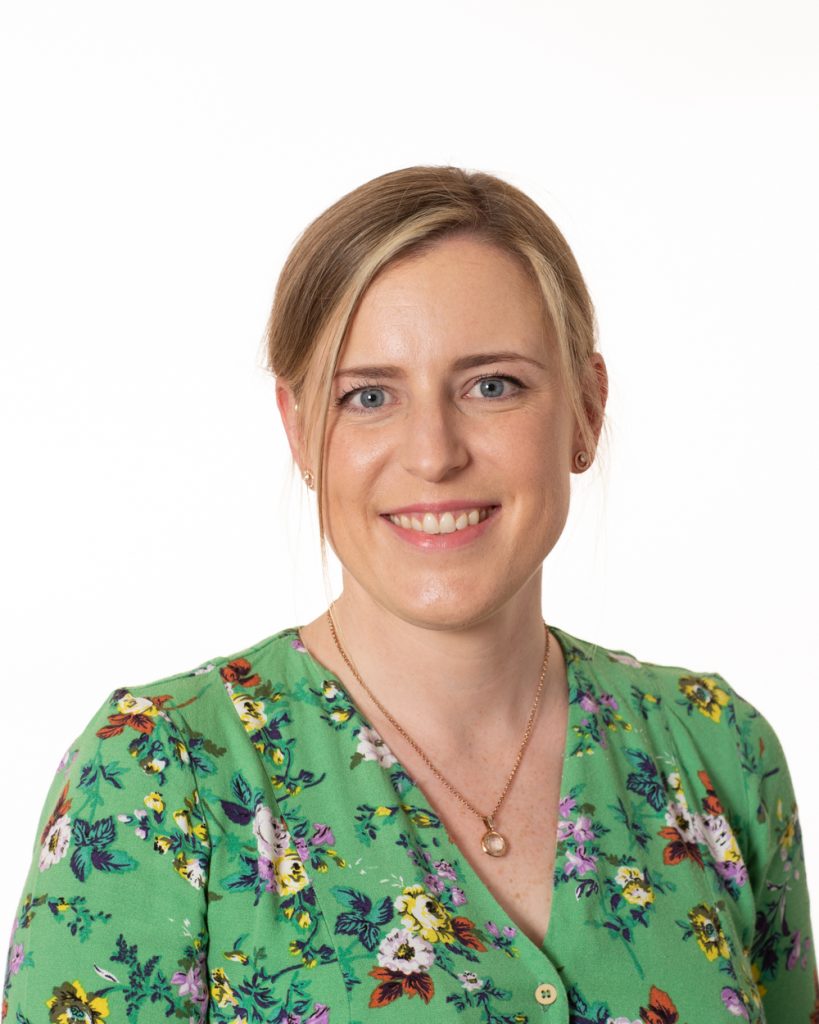
Ms Tanvi Pataskar
Tanvi Pataskar is a third-year PhD researcher at the UCD Centre for Experimental Pathogen Host Research (CEPHR), University College Dublin, working under the supervision of Dr. Noreen Sheehy. Her research focuses on understanding how influenza virus infection influences extracellular vesicles, particularly their uptake by recipient cells and their molecular cargo, including miRNA and proteomic profiles. Prior to her PhD, she worked on the development of viral vaccines for poultry, which sparked her interest in host–pathogen interactions and translational virology. Tanvi hold a Master’s degree in Biotechnology from Mumbai, India.
Dr Rachel MacCann
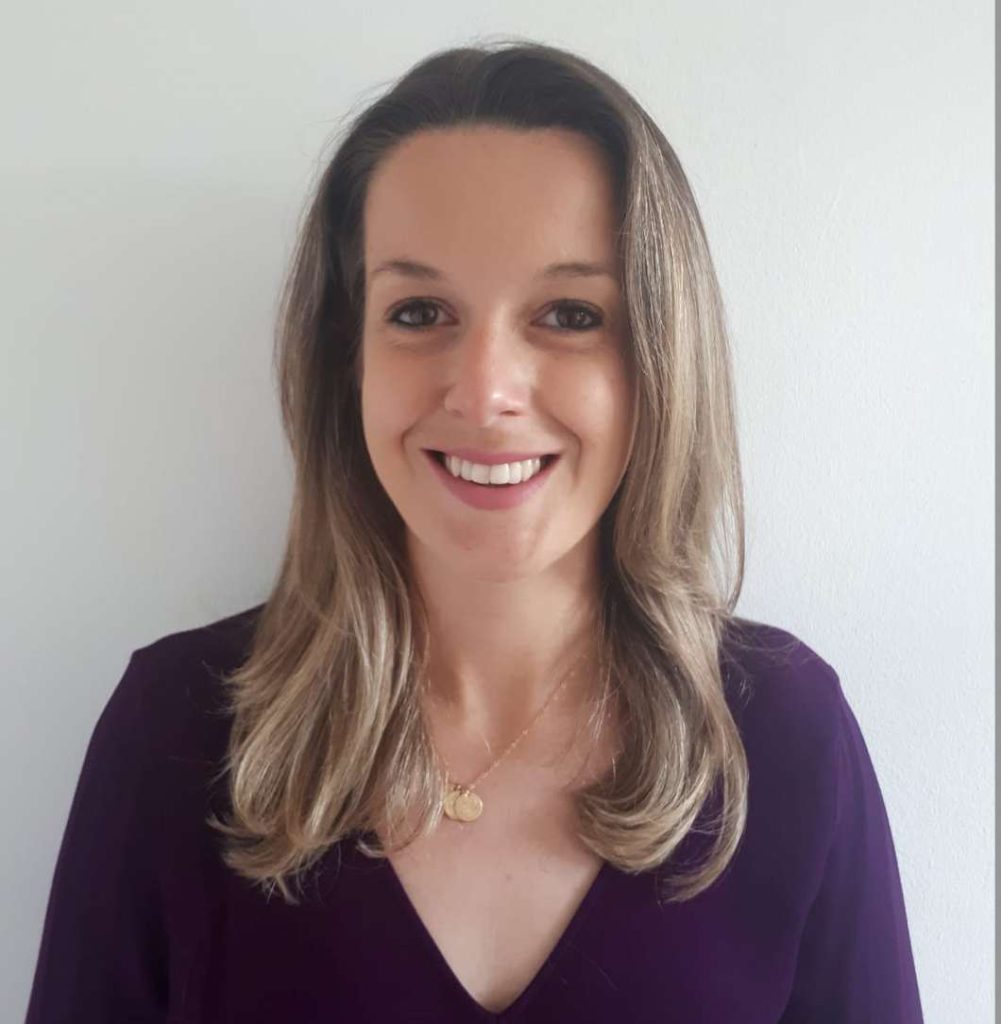
Dr Rachel MacCann is an Infectious Diseases physician-scientist and Specialist Registrar currently undertaking a PhD at University College Dublin through the Irish Clinical Academic Training (ICAT) Programme. Her research focuses on the interplay between the gut microbiome, immune activation, and cardiometabolic comorbidities in people with HIV, with the aim of identifying biological pathways that contribute to inflammation and adverse ageing outcomes. Dr MacCann has authored over 10 peer-reviewed publications, including first-author work in Journal of Infectious Diseases, PLOS One, and Current Opinion in HIV and AIDS, examining microbiome-associated inflammatory pathways and clinical phenotypes in HIV. Her PhD research is embedded within the All-Ireland Infectious Diseases (AIID) Cohort and integrates multi-omic microbiome and biomarker data to characterise drivers of immune dysregulation in people with HIV. She collaborates with international HIV cohorts including COBRA (Netherlands) and POPPY (UK), contributing to cross-cohort analyses of ageing and comorbidity in HIV. Through her combined clinical and research training, Dr MacCann brings expertise in HIV clinical care, cohort-based translational research, and microbiome-related analyses relevant to the aims of this proposal.
Dr Katie Corridan
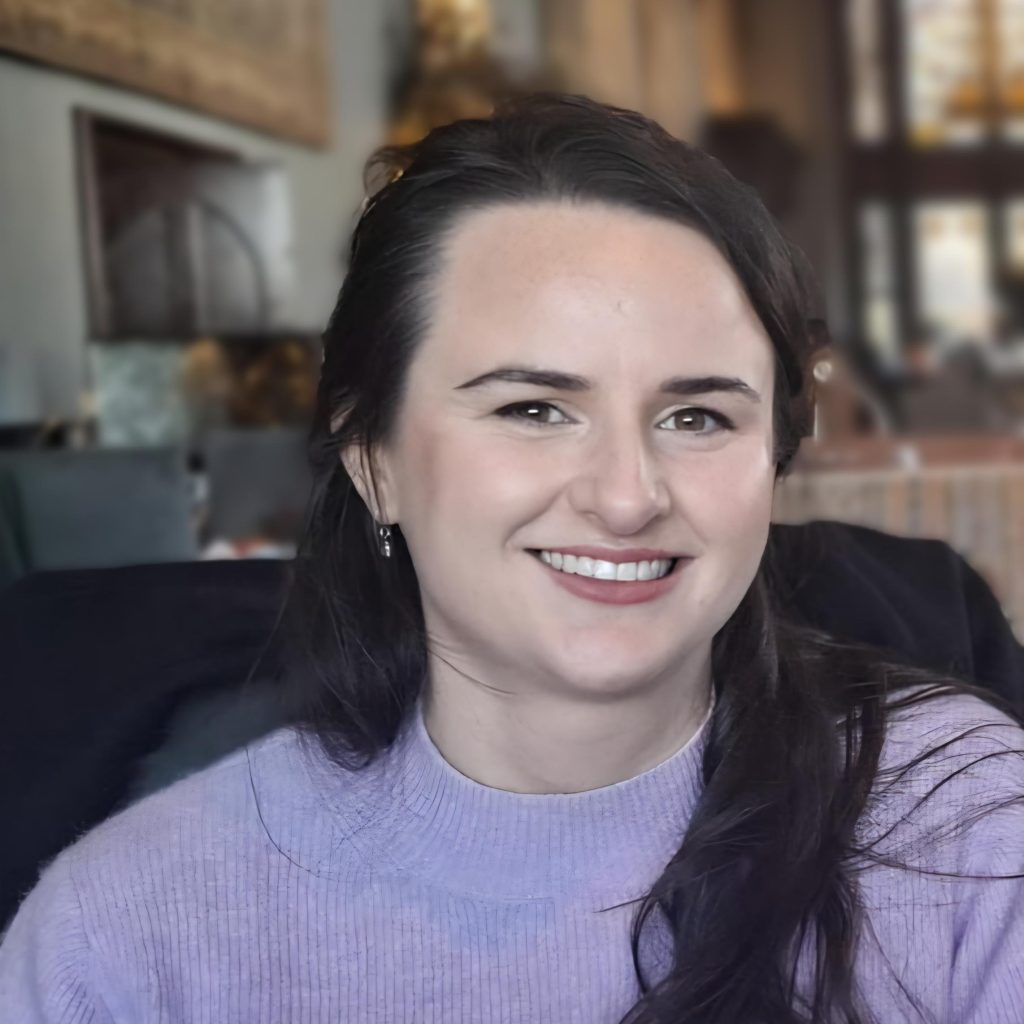
Dr Katie Corridan graduated in medicine from University College Cork. Currently she is a Doctor of Medicine candidate in a One Health project which aims to characterise the zoonotic risk posed by Q fever to the human population. This project is a collaboration between the Centre for Veterinary Epidemiology and Risk Analysis (UCD), the School of Medicine (UCD) and the RCSI Clinical Research Centre and is co-supervised by Professor Conor McAloon and Professor Eoin Feneey. She holds a Diplomate Membership to the UK Faculty of Public Health Medicine and a Master in Public Health from UCD. Katie has experience working in Public Health Medicine in Ireland at a regional departmental level and has worked in Global Public Health in the World Health Organisation Headquarters, Geneva specifically focused on applying the One Health approach to endemic zoonotic disease.
Session 1
Prof Graeme Meintjes
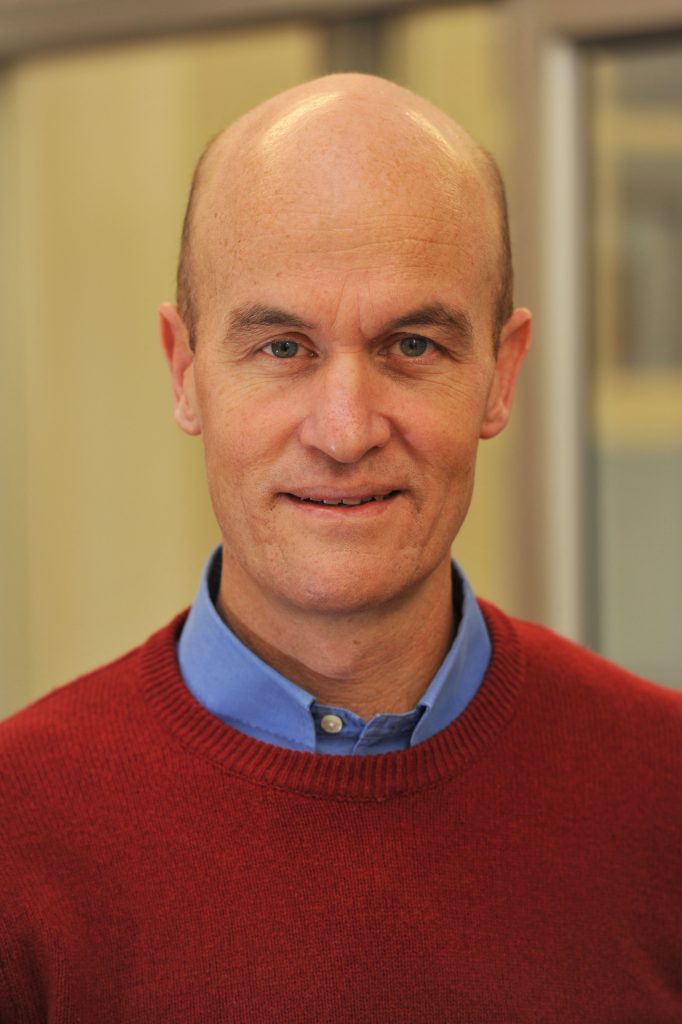
Graeme Meintjes is a Clinical Professor of Infectious Diseases at Queen Mary University of London (QMUL), England and a Professor of Medicine at the University of Cape Town (UCT), South Africa. He is an adult Infectious Diseases Specialist and leads a research programme that focuses on the clinical conditions affecting patients with advanced HIV disease, including disseminated HIV-associated tuberculosis, the immune reconstitution inflammatory syndrome and cryptococcal meningitis. Moreover, his group investigates antiretroviral therapy strategies, drug-resistant tuberculosis and diagnostics for TB, as well as prevention strategies for HIV.
Both as PI and local PI Graeme has led various clinical tirals and observational cohort studies. Currently, he is co-PI of the Wellcome-funded NewStrat-TB trial investigating novel treatment strategies in patients admitted to hospital with disseminated HIV-associated TB. He is also Chair of the Trial Steering Committee of the Gates-funded REVIVE trial investigating azithromycin for reducing deaths in people with Advanced HIV Disease across 14 countries in Africa.
Prof Laura Gleeson
Laura Gleeson is Associate Professor in Clinical Medicine, Trinity College Dublin, and Consultant Respiratory Physician in St James’s Hospital. With the support of HRB funding through the Clinician Scientist Fellowship, she is exploring the role of safe, FDA-approved metabolic manipulators on the immunometabolic innate immune response to infection and the impact of macrophage ontogeny on metabolic and functional outcomes in infection, with a view to developing new treatments for TB and other respiratory pathogens. Laura is passionate about promoting the clinical / scientific collaborations to promote truly transformative translational research that addresses questions that really matter and delivers solutions to the patient’s bedside.
Funded by the Health Research Board’s (HRB) Health Professional Fellowship Laura examined the immunometabolic response of human macrophages to Mycobacterium tuberculosis (Mtb) infection for her PhD. Through this, she demonstrated for the first time the centrality of glycolytic reprogramming in the early innate immune response to Mtb infection, and crucially demonstrated defects in this essential immunometabolic response in alveolar macrophages from smokers’ lungs.
Session 2
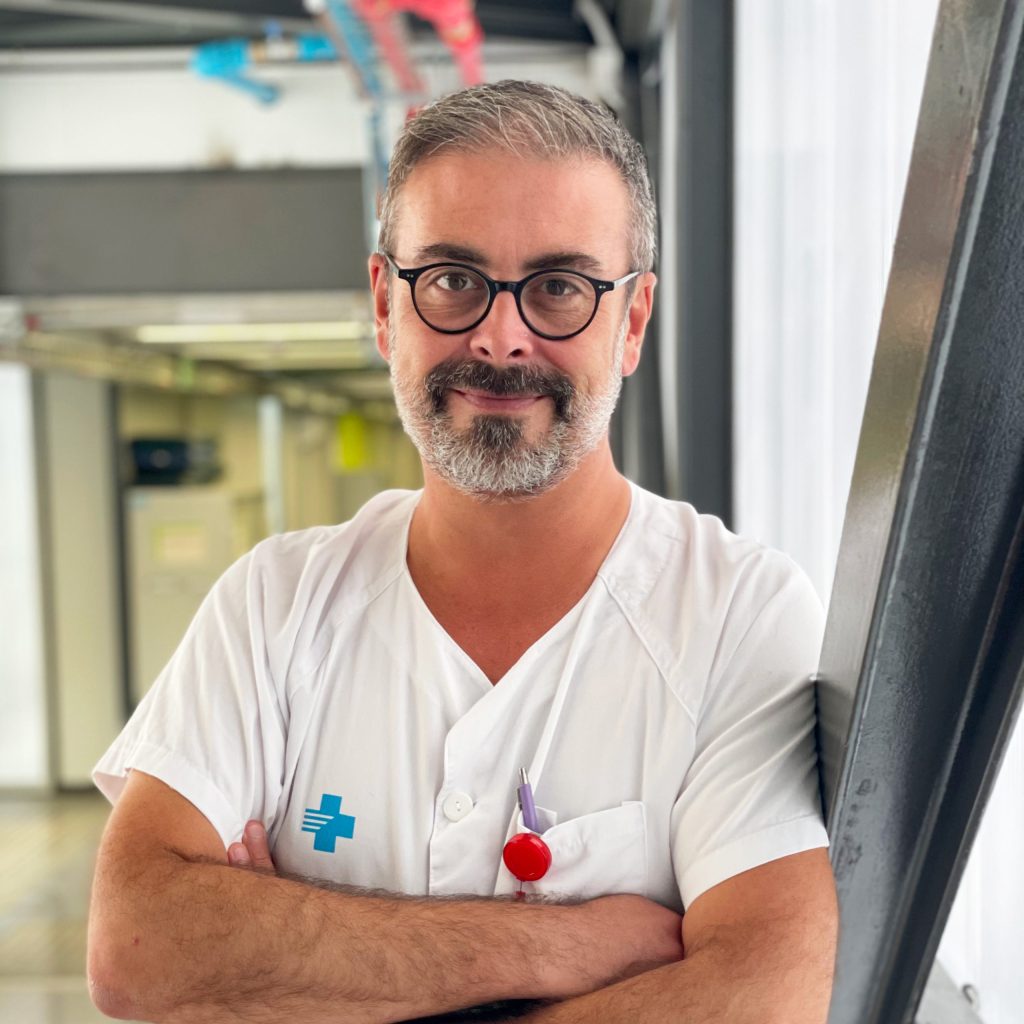
Dr Roger Paredes Deiros
Dr Roger Paredes is the Head of the Department of Infectious Diseases at the Hospital Germans Trias i Pujol and Principal Investigator at the irsiCaixa AIDS Research Institute in Badalona, Catalonia, Spain. Paredes obtained an MD, PhD degree in Medicine and Surgery from the Autonomous University of Barcelona (UAB) and specialised in HIV research at the Brigham & Women’s Hospital, Harvard Medical School, between 2004-2007 with the support of a La Caixa grant for postgraduate studies. His team, Microbial Genomics, at irsiCaixa, has demonstrated the clinical utility of HIV-1 deep sequencing in both high- and low-income countries and is now leading pioneering research into the role of the gut microbiome in the pathogenesis of HIV infection and chronic inflammation. During the COVID-19 pandemic, Dr Paredes has been the Spanish National Coordinator of seminal NIH/NIAID-funded randomized clinical trials, including ACTT-1 and 2 and the ACTIV-3/TICO platform, which have defined the current standard of care for this disease in hospitalized patients as well as in outpatients. Dr Paredes is a member of the COVID-19 treatment guidelines of the Spanish ID Society and the Catalan Institute of Health. He is also a member of the WHO Global Clinical Platform for COVID-19 Clinical Advisory Group and serves in the WHO’s HIV Drug Resistance Strategy Steering Committee and HIV treatment guidelines group.
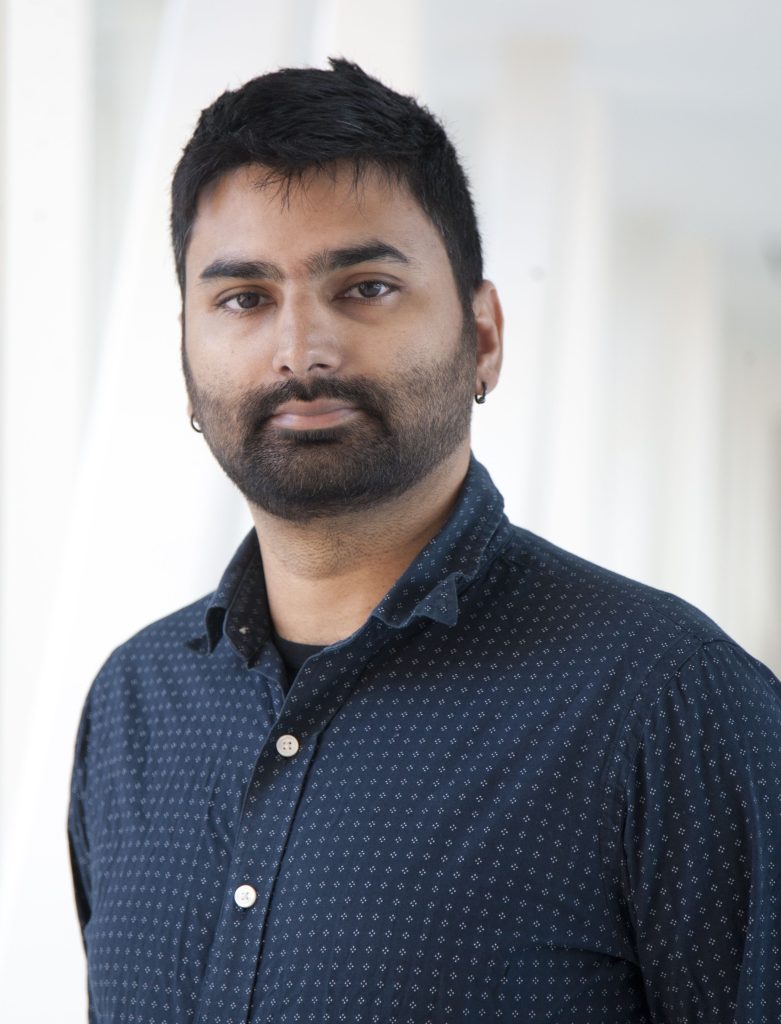
Prof Aaloke Mody
Aaloke Mody, MD is an Associate Professor in the Division of Infectious Diseases and Department of Medicine at the Washington University in St. Louis School of Medicine with a joint appointment in the School of Public Health. He is a physician with training in HIV, infectious diseases, implementation science, and epidemiologic methods.
Aaloke’s overarching research interests are in utilizing implementation science and epidemiologic methods to better understand how to deliver high-quality and person-centered HIV care in routine practice in low- and middle-country settings. His work has specifically focused on health system strategies to improve engagement and re-engagement into care, optimizing the person-centeredness of provider behaviors, and extending this knowledge to improve longitudinal care for non-communicable diseases. Aaloke is the Director of the Dissemination and Implementation Research Core (DIRC) in the Institute for Clinical Translational Science at Washington University in St. Louis. He serves on the Implementation Science Steering Committee for the ACTG and is an academic editor at PLOS Medicine and an associate editor at Implementation Science Communications
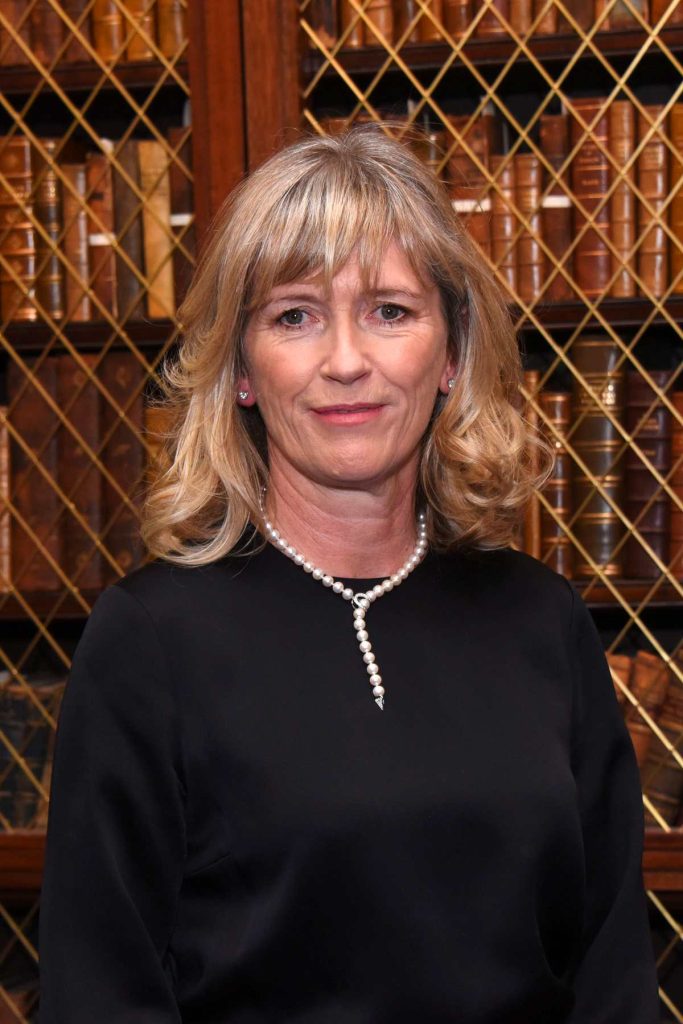
Prof Mary Horgan
Professor Mary Horgan is interim Chief Medical Officer and Professor of Infectious Diseases at UCD and Mater Misericordiae University Hospital. She is the immediate past President of the Royal College of Physicians of Ireland and is the first woman to hold this position since the College’s foundation in 1654. She is the former Dean of the School of Medicine at University College Cork and was the first woman to be appointed to this position.
Mary is a graduate of UCD School of Medicine in 1986 and was awarded the UCD Alumni Award for Health in 2019.
She is a Director of Education of the European Society of Infectious Diseases and Clinical Microbiology (ESCMID). She also served on the National Public Health Emergency Team (NPHET) and led the expert advisory group on rapid testing and chaired Ireland’s first National Research Ethics Committee.
Session 3

Dr Peter Cox
Dr Peter Cox has over 26 years of experience working in the pharma and biotech sectors, focusing on the intersection of drug discovery and artificial intelligence for the past 10 years. Peter studied microbiology at the University of Galway, earned a PhD in Molecular Virology from the University of Glasgow, and conducted postdoctoral research in Neuroscience at INSERM and the University of Cambridge. In 1998 he joined Pfizer spending 16 years researching and developing drugs for chronic pain. Peter’s career in AI-focussed drug discovery began in 2016 at Benevolent AI (BAI), a first-generation AI-led biotech company. There Peter was vice president, a member of the drug discovery leadership team and led multidisciplinary teams using AI knowledge graph-based systems to power BAI’s drug discovery portfolio. Since 2024 Peter has been the Head of Translational Science at Isomorphic Labs, a leading biotech pioneering AI led multi-modality drug design. Peter’s team is responsible for the biology strategy of AI-driven drug discovery programs and providing key experimental data validating the outputs of Isomorphic Labs’ powerful drug design engine.
Prof Balwani Mbakaya
Balwani Chingatichifwe Mbakaya is a Public Health Specialist with a focus in Field Epidemiology & Primary Health Care. He currently serves as a Professor in the Department of Public Health at the University of Livingstonia, Malawi. In addition, he holds an adjunct faculty position in the Department of Biological Sciences at Mzuzu University, Malawi and is a Visiting Associate Professor in the School of Medicine at University College Dublin, Ireland.
In his role at Mzuzu University he is Partner Country Team Lead in the Research Ireland and Irish Aid funded project ‘Biotope’. This project aims at reducing childhood mortality through improving pneumonia diagnosis. Using cellular networks and smartphone technology with AI supported clinical decision support systems, new patient datasets are correlated to improve diagnostic and real-time assessment. Additionally, the project is developing inexpensive point of care tests using host response biomarkers that can be deployed to appropriately reduce prescription of antimicrobials and reduce the risk of antimicrobial resistance.
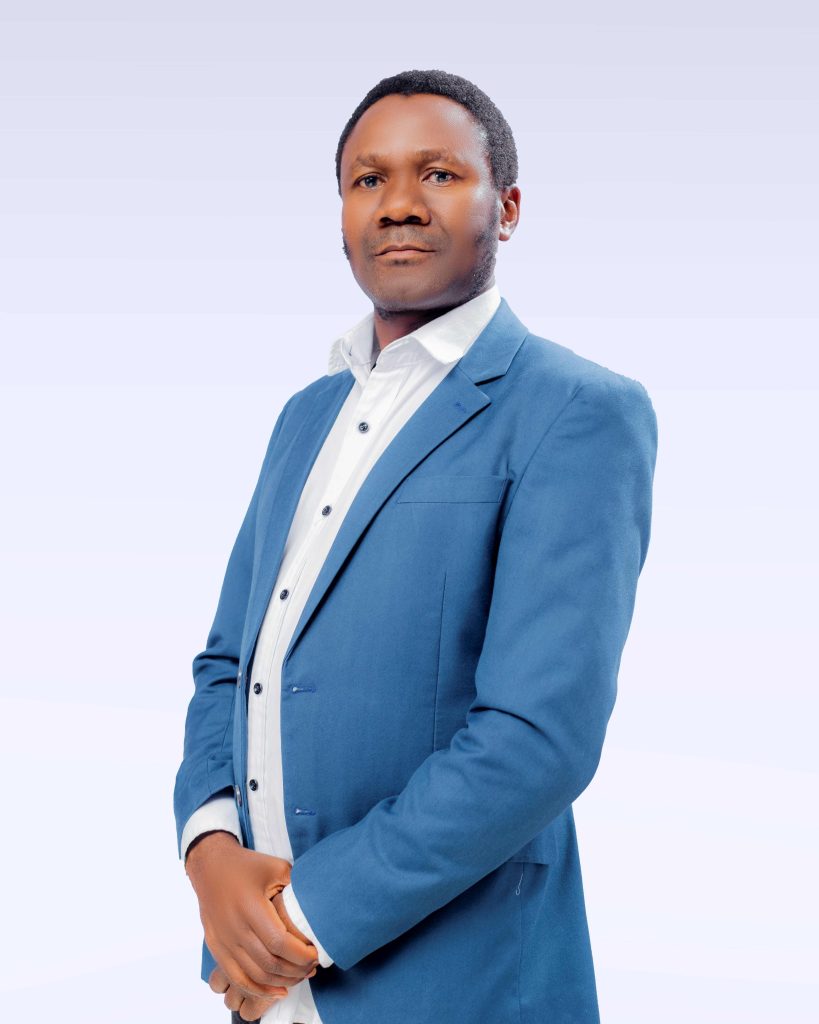

Prof Patricia Maguire
Patricia Maguire is Professor of Biochemistry at University College Dublin (UCD) and Director of the UCD Institute for Discovery, where she leads high-impact, cross-disciplinary initiatives translating breakthrough science into real-world healthcare solutions. At UCD she founded the AI Healthcare Hub (AIHH) to accelerate how AI and data science transform diagnostics and patient care globally. Moreover, Patricia is a Funded Investigator in the INSIGHT Research Ireland Centre for Data Analytics.
At the centre of her work is PALADIN (PlAteLet bAsed DIagNostics), a pioneering platform integrating platelet and extracellular vesicle biology, multi-omics, and AI analytics to deliver next-generation diagnostics. PALADIN has already produced patented technologies, including AI_PREMie, a multi-award-winning diagnostic for preeclampsia, recognised globally by UNESCO as a Top 100 AI project advancing the UN SDGs.